
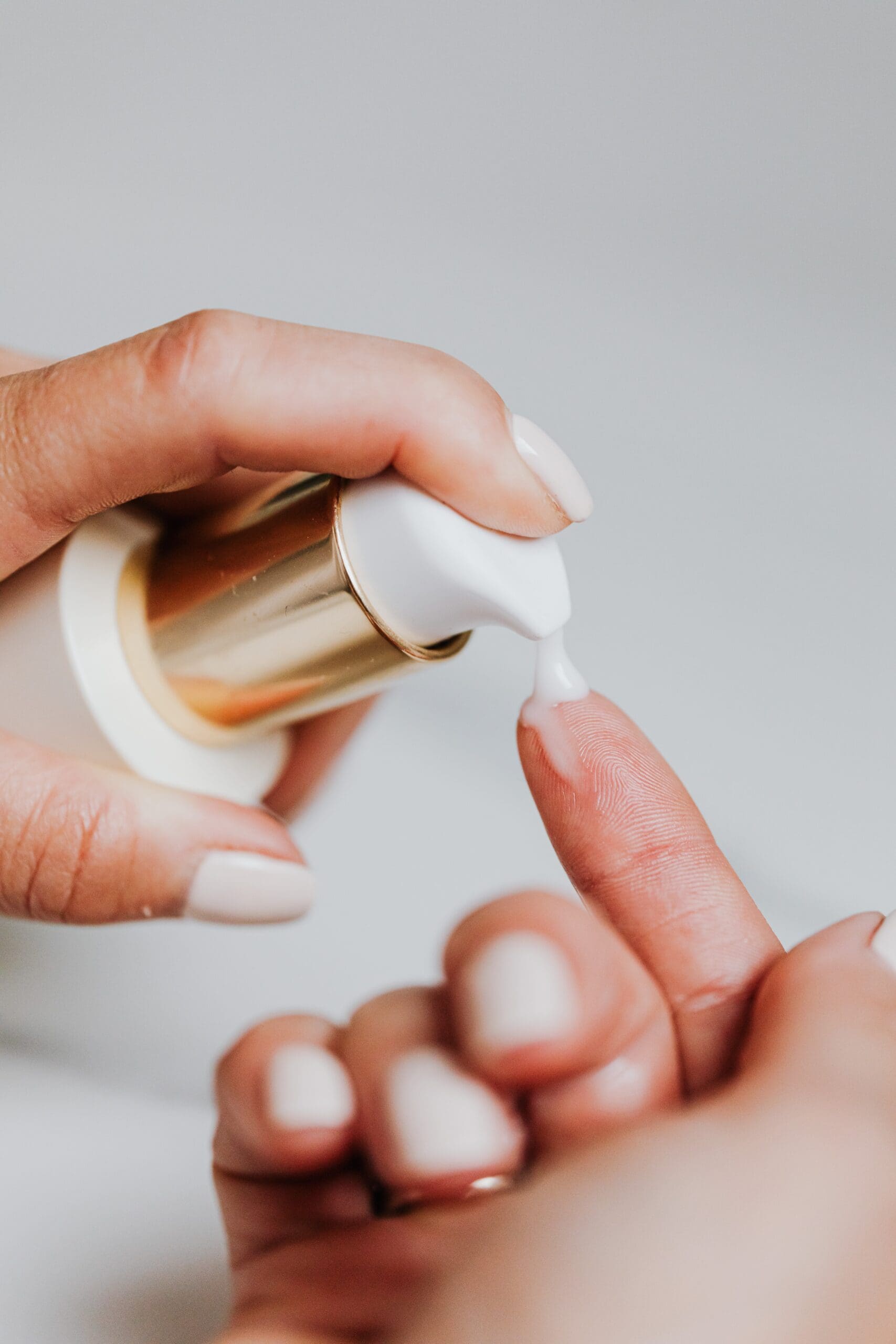
Niacinamide-exploring-its-benefits/”>Niacinamide, also known as nicotinamide, is a form of vitamin B3 that has gained popularity in the skincare industry in recent years. But where did this ingredient come from, and what is its history?
Origins of Niacinimide
Discovery
Niacinimide was first discovered in the early 20th century by the Hungarian biochemist, Stephen Szara. He was studying the effects of niacin (another form of vitamin B3) on the human body when he noticed that niacinimide, a byproduct of niacin metabolism, had its own unique properties.
Szara found that niacinimide had similar benefits to niacin, such as improving skin health and reducing cholesterol levels, but without the unpleasant side effects of flushing and itching that niacin often causes. This discovery led to further research on niacinimide and its potential uses.
Initial Uses
In the 1940s, niacinimide was first used as a treatment for pellagra, a disease caused by a deficiency in vitamin B3. Pellagra was a widespread problem in the southern United States at the time, and niacinimide was found to be an effective treatment.
Since then, niacinimide has been used for a variety of other purposes. It has been shown to improve skin health by reducing inflammation and hyperpigmentation, and it is sometimes used as a treatment for acne and rosacea. It has also been used to treat anxiety, insomnia, and other psychiatric conditions.
Evolution of Niacinimide
Niacinimide, also known as nicotinamide or vitamin B3, has a rich history that dates back to the early 20th century. Since then, it has been used in various medical and cosmetic applications. Here’s a brief overview of the evolution of niacinimide.
Medical Advancements
In the early 1900s, it was found to be effective in treating the symptoms of pellagra, such as skin rashes, diarrhea, and mental confusion.
Later on, it was discovered that niacinimide has anti-inflammatory properties, making it useful in treating inflammatory skin conditions such as acne and rosacea. It has also been studied for its potential in treating other medical conditions such as Alzheimer’s disease, multiple sclerosis, and diabetes.
Cosmetic Applications
In addition to its medical uses, niacinimide has also found its way into the cosmetic industry. It has been shown to improve the appearance of fine lines and wrinkles, reduce hyperpigmentation, and even out skin tone.
Furthermore, niacinimide is a versatile ingredient that can be used in a variety of skincare products, including moisturizers, serums, and toners. It is gentle on the skin and has been shown to be well-tolerated even by those with sensitive skin.
Modern Day Uses of Niacinimide
Skincare
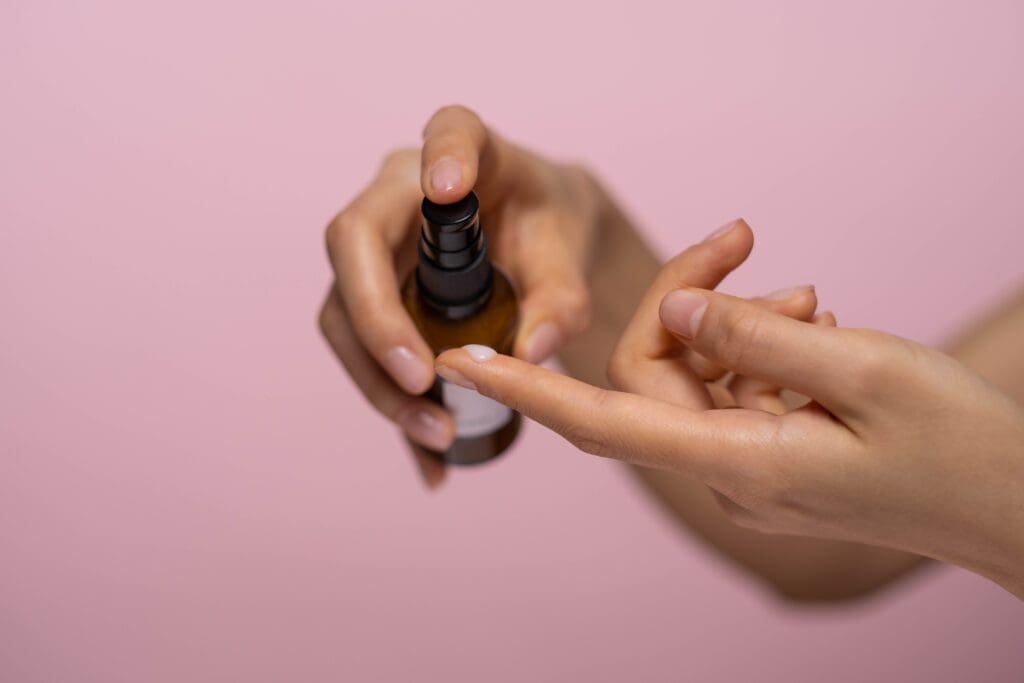
Niacinimide is a popular ingredient in skincare products due to its ability to improve the appearance of fine lines and wrinkles, reduce redness and inflammation, and regulate oil production. It is often found in serums, moisturizers, and even face masks.
Acne Treatment
Niacinimide has been shown to be effective in treating acne. It works by reducing inflammation and regulating oil production, which can help prevent breakouts. It is often found in acne spot treatments and other acne-fighting products.
Hyperpigmentation
Niacinimide has also been shown to be effective in reducing the appearance of hyperpigmentation, such as dark spots and melasma. It works by inhibiting the transfer of pigment to skin cells, which can help even out skin tone. It is often found in brightening serums and creams.
Hair Care
Niacinimide can also be found in hair care products. It has been shown to improve the thickness and strength of hair, as well as reduce hair loss. It is often found in shampoos and conditioners.
Oral Health
Niacinimide has also been shown to have benefits for oral health. It can help reduce inflammation and improve the health of the gums. It is often found in toothpastes and mouthwashes.
Future Prospects of Niacinamide
Niacinamide has shown promising results in various clinical studies, and its potential benefits are still being explored. Here are some future prospects of niacinamide:
- Skin lightening: Niacinamide has been shown to reduce the production of melanin, which is responsible for skin pigmentation. This makes it a potential ingredient for skin lightening products.
- Acne treatment: Niacinamide has anti-inflammatory properties that can help reduce acne breakouts. It can also help reduce sebum production, which is a major contributor to acne.
- Anti-aging: Niacinamide has been shown to improve the elasticity of the skin and reduce fine lines and wrinkles. It can also help protect the skin from UV damage, which is a major contributor to premature aging.
- Skin barrier repair: Niacinamide can help improve the skin barrier function, which is important for maintaining healthy skin. A strong skin barrier can help prevent moisture loss and protect the skin from external stressors.
In addition to these benefits, niacinamide is also a safe ingredient that can be used in a variety of skincare products. It is well-tolerated by most people and does not cause any significant side effects.
A note from the founder:
I love having some niacinamide in at least 1 of my products. I usually try to make sure it is in one of the products I use in the morning. It is a bonus to have it in a product in my evening routine. Any more than one product in a routine with the same ingredient can be over-kill. For information on how best to use this product and when, hop on over to the Benefits of Niacinamide article for a full overview. ~ Much Love & Health to You!