

What Is Botulinum Toxin?
If you’ve heard of Botox, you’re already familiar with botulinum toxin—a powerful neurotoxin used to treat medical conditions like chronic migraines, muscle spasms, and excessive sweating. But how did this toxin become a widely used therapeutic and cosmetic tool?
Origins and Early Research
Botulinum toxin is produced by the bacterium Clostridium botulinum. It was first identified in the late 19th century by Belgian scientist Emile van Ermengem during a food poisoning outbreak linked to spoiled sausage—hence the name, derived from botulus, Latin for sausage.
In the 1920s, researchers began exploring its medical potential. Therapeutic uses were developed over decades, with the first clinical application in the 1970s for strabismus (eye misalignment). This marked the beginning of its medical journey.
Medical Applications
Initially used to treat eye and muscle disorders, botulinum toxin now addresses a wide range of conditions, including:
- Cervical dystonia (neck spasms)
- Spasticity (muscle stiffness from neurological disorders)
- Chronic migraines
- Hyperhidrosis (excessive sweating)
- Overactive bladder
- Hemifacial spasm (facial muscle twitching)
It works by blocking acetylcholine, a neurotransmitter that triggers muscle contractions, providing relief by relaxing the targeted muscles.
Cosmetic Uses
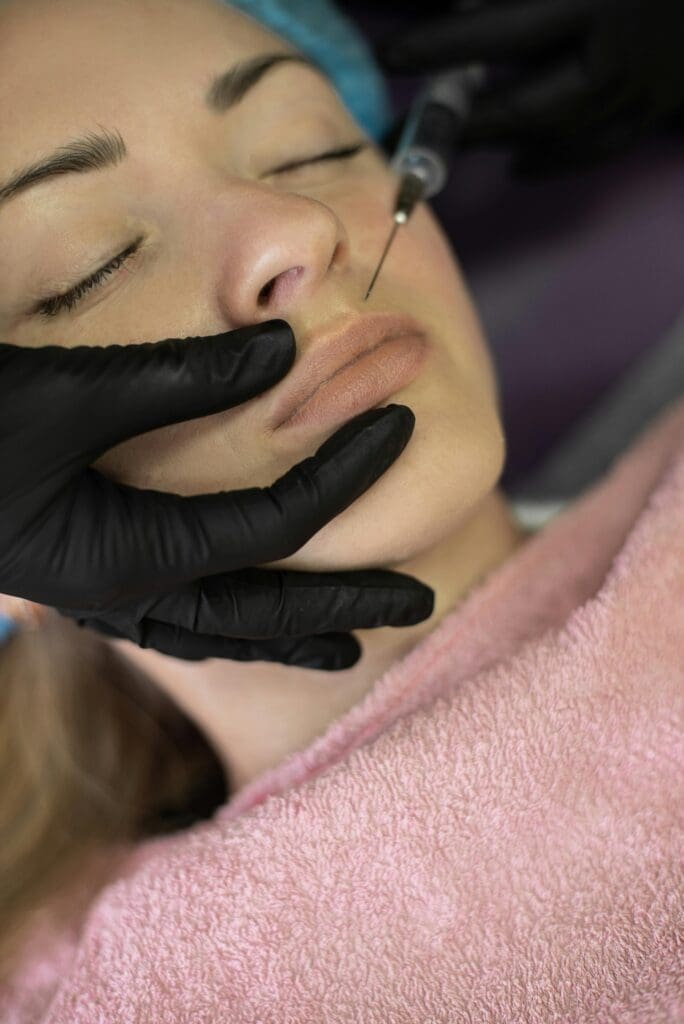
Approved by the FDA in 2002 for cosmetic use, Botox became a popular treatment for reducing wrinkles. It works by relaxing facial muscles to smooth lines, especially on the forehead, between the eyebrows, and around the eyes. Results last 3–6 months, and treatments can be repeated.
Safety and Regulation
Botulinum toxin is a potent substance and must be handled with care. In the U.S., it’s FDA-regulated and available only by prescription. Qualified healthcare providers must follow strict safety guidelines, including:
- Medical screening
- Informed consent
- Proper dosage and injection techniques
While generally safe, potential side effects include bruising, drooping eyelids, and, rarely, more serious issues like breathing difficulties.
Future Prospects
Ongoing research continues to expand botulinum toxin’s applications. Potential future uses include:
- Treatment for depression, anxiety, and chronic pain
- New delivery methods (e.g., microneedles, patches)
- Improved formulations with fewer side effects
Researchers are also exploring novel uses in fields like oncology and addiction treatment.
Conclusion
From foodborne toxin to medical breakthrough, botulinum toxin has evolved into a versatile tool in both medicine and cosmetics. As research advances, its therapeutic potential continues to grow—promising even broader applications in the years ahead.
A note from the founder:
I have taken advantage of the benefits of botulinum toxin. I do have my dermatologist inject it in my forehead for the lines above and between my eyebrows. I do not use this on my “crows feet” as I do not mind looking like someone who laughs a lot. I also have her inject this in the muscle that controls my upper lip. My smile is large and ends up showing a lot of upper gums. So I do like to diminish the amount of gums showing. This type of dermatology procedure isn’t for everyone but there are many benefits. Make sure to do your research and have a licensed dermatologist administering this.